Breeding Records · Practical Guide · 12 min read
What Should You Track When Breeding Aquarium Fish?
Recording the spawn date is useful. Knowing what happened before and after the spawn is where the real breeding history lives.
A useful breeding record connects the parents, project, spawn, hatch, fry, grow-out moves, meaningful husbandry events and final outcomes so you can reconstruct the lifecycle later.
A useful breeding record should answer
Origin
Which parents and breeding project produced this group?
Timeline
When did spawning, hatch and free-swimming milestones happen?
History
Which moves, count checkpoints and meaningful events occurred?
Outcome
What was retained, sold, rehomed or otherwise became of the cohort?
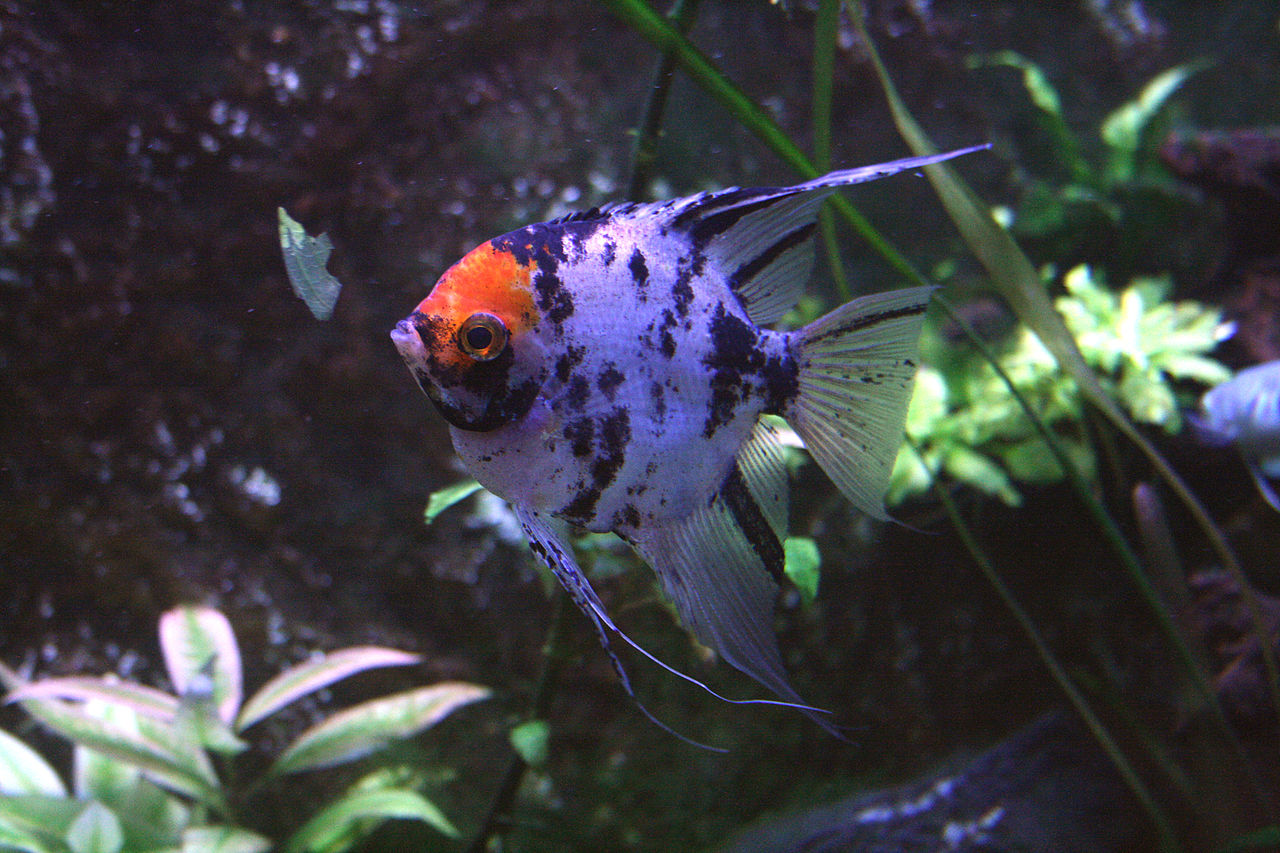
With one pair and one spawn, you may be able to remember almost everything: which fish were paired, when eggs appeared, when fry became free-swimming, what they were fed and which tank they moved into. Add more breeding pairs, overlapping spawns and several grow-out tanks, and memory starts doing work that a record system should be doing instead.
A good aquarium breeding log does not need to capture every tiny action. It should capture the events and relationships that let you reconstruct the breeding lifecycle later.
The goal is to answer useful questions quickly: Which parents produced this group? When did the spawn hatch? How did the cohort count change? Which tanks did the group move through? What changed before a result changed? Which fish were retained? What ultimately happened to the rest of the cohort?
1. Start With Breeder and Parent Identity
A breeding record begins before the spawn. Preserve the identity of the parent fish or breeding stock involved using stable breeder IDs rather than temporary descriptions such as “large marble male” or “pair in the left tank.”
Useful parent information can include:
- Stable breeder ID
- Species and strain or variety
- Sex when known
- Source or breeder
- Acquisition date
- Known parentage or lineage
- Photos and observable traits relevant to your breeding goals
- Previous breeding-history notes
If lineage matters to your program, parent identity is the foundation. Generation labels can be useful shorthand when accurately known, but they should not replace actual parent relationships in your records.
2. Record the Breeding Project or Pairing
A spawn should not be the first record created. Create a record for the breeding attempt or project itself so the parent fish remain connected to everything that follows.
At minimum, record the project or pair ID, parent IDs, pairing date, breeding tank or location, current status and any setup details that may matter later.
One pair may spawn repeatedly. If every spawn is an isolated note, comparing attempts becomes unnecessarily difficult. A project-level record makes questions such as “How often did this pair spawn?” and “Which attempts produced viable fry?” much easier to answer.
3. Capture the Spawn Event
The spawn is an important milestone, but it is one milestone inside a larger history. Useful fields include the spawn date, breeding project, location, spawning surface or method, estimated egg count when practical, fertility observations, parent behavior, interventions and photos.
Do not create false precision. If a species lays hundreds of eggs and an exact count is unrealistic, an estimate or qualitative observation is more useful than pretending the number is exact. The purpose of the record is operational learning, not perfect laboratory measurement.
4. Record Hatch and Free-Swimming Milestones
Depending on the species and breeding method, record first hatch, hatch completion, wiggler stage, first free-swimming date and first feeding date where those milestones are meaningful.
These dates create a timeline that can be compared across future spawns and help you reconstruct age later when fry move into grow-out tanks. A hatch or free-swimming date is more reliable than trying to estimate age from size alone.
5. Track Fry as a Cohort When That Makes Sense
Trying to create an individual record for every fry can make record keeping collapse under its own weight. For many species, early fry are better treated as a cohort: a related group that shares an origin and is managed together.
A useful cohort record can include:
- Cohort or batch ID
- Originating spawn and breeding project
- Hatch or free-swimming date
- Estimated starting and current counts
- Current developmental stage
- Current tank or grow-out location
- Status and key notes
Record count checkpoints when they provide useful information, such as before a major move, after a split or during grading. The count does not need to be updated every day.
Connected lifecycle
A useful breeding record stays connected.
01
Breeder / Parents
02
Pair / Project
03
Spawn
04
Cohort
05
Grow-out
06
Selection / Inventory
07
Outcome
Tanks, observations, husbandry events and health history attach to this lifecycle without breaking the origin chain when fish move.
6. Record Major Husbandry Changes - Not Every Repetitive Action
Good record keeping should help you notice patterns without creating so much data-entry work that you stop recording entirely. Routine work may live in recurring task systems. The breeding history should preserve meaningful changes and exceptions.
- First feeding or a major food change
- Important water-management or temperature adjustment
- Equipment failure
- Medication or treatment
- Unusual behavior or disease symptoms
- Significant mortality event
- Growth or developmental observation
7. Preserve Tank and Grow-Out Moves
Fry may move from a spawning tank to a nursery, then into one or more grow-out tanks. A large cohort may eventually be divided across several tanks. Record significant moves with the date, FROM tank, TO tank, cohort or fish moved, approximate quantity and the reason when useful.
The important rule is that location can change without breaking origin. Half of a cohort moving to another tank does not make those fish unrelated to the original spawn.
8. Record Selection and Disposition Decisions
As fish develop, you may retain selected individuals as future breeders, separate fish for further evaluation, move fish into sale inventory, rehome fish, exclude fish from the breeding program or record losses and other final outcomes.
When selecting future breeding stock, preserve the origin cohort, parent links, selection date, photographs, observable traits, size or age where measured and your reason for the decision. Keep the language factual: the breeder makes the selection decision; the record preserves why it was made.
9. Connect Saleable Inventory Back to Its Origin
For breeders who sell fish, the breeding history should not stop when juveniles become marketable. Record how many enter saleable inventory, the size or grade, date available, quantities retained or sold, sale information where relevant and final outcome notes.
“Spawn: 250 eggs” tells you very little about the result. A connected history can show that the spawn became approximately 190 free-swimming fry, moved through two grow-out tanks, produced 85 saleable fish and retained six selected juveniles. That is an operational history.
10. Use Stable IDs So the History Survives Change
Names based only on current conditions are fragile. “The angelfish pair” works until there are four angelfish pairs. “Fry tank” stops being useful when the fry move. Use stable IDs for breeders, breeding projects, spawns, cohorts and tanks, then allow descriptions, statuses and occupants to change around them.
The same principle applies across the fishroom: identity should survive operational change.
11. The Most Important Part Is Keeping the Records Connected
You can capture every field above and still end up with poor breeding records if the pieces live in isolation. The real value comes from preserving the relationship chain from parents through outcome.
Imagine finding a juvenile six months from now that you want to retain as a breeder. Can you trace it back to its cohort? Can the cohort point to the spawn? Can the spawn point to the breeding project and parents? Can you see which tanks the group occupied and the important events that happened along the way?
That is the difference between a collection of notes and a breeding history.
A Simple Minimum Breeding Record
If you want to start without building a complicated system, capture these essentials:
- Parent or pair identity.
- Breeding project start date.
- Spawn date.
- Hatch or free-swimming date.
- Cohort ID and estimated counts at meaningful checkpoints.
- Current tank and significant tank moves.
- Important husbandry, health or mortality events.
- Selection, inventory and final outcomes.
The best record system is not the one with the most fields. It is the one that reliably answers the questions you will actually ask later.
Notebook, Spreadsheet or Software?
All three can work. A notebook is fast and flexible for a small breeding setup. A spreadsheet becomes useful when you want structured fields, filtering and repeatable records. Dedicated software becomes more valuable when relationships among tanks, breeders, projects, spawns and cohorts become difficult to maintain manually.
The important thing is to establish the record structure before the fishroom becomes too complicated to reconstruct. Fishroom OS is being built around that connected model: not simply recording that an event occurred, but preserving where that event belongs in the lifecycle of a working breeding room.
Free breeding-record template
Start with a connected record structure.
The Fishroom OS Fish Breeding Record template includes structured tabs for breeders, projects, spawns, cohorts, tank moves and meaningful events, outcomes and reference values, with fictional example records showing how the IDs connect.
Free .xlsx resource
Breeding records spreadsheet
Track parent fish, spawning dates, fry cohorts, hatch dates and survival outcomes in an editable Excel workbook.
Related
Build the operating system around the records.
Stable IDs and connected breeding history become easier to maintain when the physical fishroom uses the same operating logic.
Read The Complete Fishroom Organization SystemBuilt for working fishrooms
Keep the breeding lifecycle connected.
Fishroom OS is being built for breeders whose parents, spawns, cohorts, tank moves and outcomes have outgrown disconnected notes. Join early access and help shape the workflows we build first.
Join Fishroom OS early access